
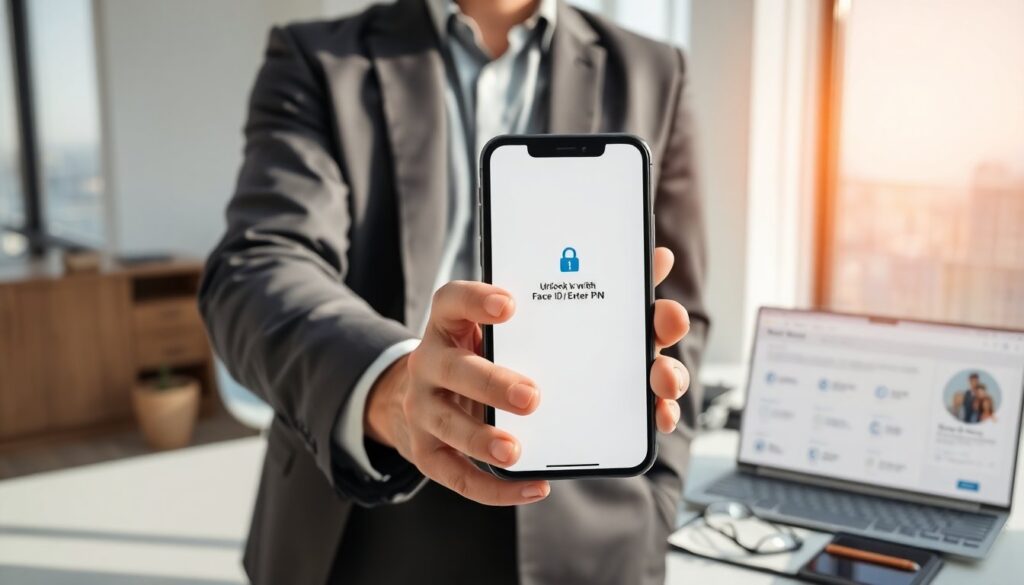
snapsource lock apps iphone offers a simple way to add app-level locks on an iPhone. The tool lets users set PINs, Face ID, or Touch ID for selected apps. This guide explains how SnapSource works, what devices it supports, how to set it up, and how to manage locks. It uses clear steps and direct advice for people who want extra control over app access.
Key Takeaways
- SnapSource provides an easy way to lock iPhone apps using PIN, Face ID, or Touch ID for enhanced security beyond standard iOS controls.
- The SnapSource lock apps iPhone feature works by overlaying a secure lock screen without altering app code, ensuring native biometric checks protect access.
- Users need iOS 16 or later and must grant permissions for SnapSource to operate, though some system apps may be incompatible with the lock overlay.
- Setting up SnapSource involves installing the app, granting permissions, creating a master PIN, and toggling locks on chosen apps for immediate protection.
- SnapSource includes a dashboard to manage locked apps, schedule access, and control family settings with admin PINs for parental control.
- Regularly updating SnapSource and iOS, using strong PINs, and enabling multi-factor authentication improve security when locking apps on the iPhone.
What Is SnapSource And Why Use It To Lock iPhone Apps
SnapSource is a third-party app and service that helps users add app-specific locks on iPhone. It integrates with iOS security features to require a PIN, Face ID, or Touch ID before opening selected apps. People use SnapSource to protect messages, banking apps, photos, and parental controls. The app gives fine-grained control that goes beyond iOS Screen Time rules. For users who want quick app locks and clearer access logs, SnapSource fills that gap.
How SnapSource Locks Apps On iPhone: Behind The Scenes
SnapSource uses a combination of allowed system APIs and a secure app wrapper to control access. It places a lock screen over chosen apps and routes unlock requests through iOS authentication. SnapSource verifies Face ID or PIN with the device and then lets the app open. It does not change the app code. Instead, it acts as a gatekeeper that runs alongside iOS. This design keeps the core app intact and leverages native biometric checks for safety.
Requirements, Compatibility, And Limitations To Know
SnapSource requires iOS 16 or later on most devices. The app works on iPhone models that support Face ID or Touch ID. It needs permission to appear on top of apps and to use Face ID or Touch ID. Some system apps and tight sandboxed apps may not accept the lock overlay. SnapSource cannot lock apps at the system kernel level. Users will see occasional compatibility gaps after major iOS updates. They should check updates and app notes before deployment.
Step-By-Step Setup: Install, Configure, And Lock Your First App
Download SnapSource from the App Store or the vendor site if offered. Open SnapSource and grant the requested permissions. The app will ask for overlay permission and biometric access. Create a master PIN and enable Face ID or Touch ID. Go to the SnapSource app list and toggle the lock for the first app. Test the lock by opening the app. If Face ID or PIN works, the app stays locked until the user unlocks it.
Managing Locked Apps, Notifications, And Family Access
SnapSource shows a dashboard with all locked apps and lock status. The user can turn locks on or off from the dashboard. The app offers a schedule feature to lock apps at set times. Notifications pass through but show a limited preview while the app remains locked. For family use, an admin account can manage child devices and set PIN recovery options. Parents can block changes to the lock list with a separate admin code.
Privacy, Security Implications, And Best Practices
SnapSource stores minimal data locally and encrypts configuration files. The app asks for biometrics only to confirm access. Users should enable device-level encryption and use a strong master PIN. They should update SnapSource and iOS regularly. For sensitive apps, they should enable multi-factor login inside the app itself plus to SnapSource. Users should avoid sharing the master PIN and should revoke access when selling or giving away a device.
Troubleshooting Common Issues And When To Try Alternatives
If a locked app opens without a prompt, check overlay permission and restart the device. If Face ID fails, re-register biometrics in iOS settings and test again. After an iOS update, open SnapSource and install any available app update. If an app blocks the overlay permanently, try using Screen Time app limits or the app’s built-in passcode instead. For enterprise needs, consider a mobile device management (MDM) solution that offers policy-level app control across many devices.