
Remote work, micro-camping, van conversions, and weekend boating have something in common: they all assume you can bring a slice of home with you. Lights that don’t flicker, a fridge that stays cold, phones that stay charged, and maybe a coffee machine at sunrise. That comfort doesn’t come from the engine starter battery. It comes from a separate, deep‑cycle power source designed to deliver steady energy for hours—your leisure battery.
Leisure batteries have quietly become the backbone of modern outdoor and mobile lifestyles because we’re carrying more electronics, staying off-grid longer, and expecting higher reliability. A festival camper might run speakers and lighting all night; a tradesperson may power tool chargers in a work van; an overlander could depend on a compressor fridge in summer heat. In each case, the goal is the same: predictable power without risking the ability to start the vehicle and drive away.
What makes a battery a “leisure” battery?
Starter batteries are built for a short, high burst of current—great for cranking an engine, terrible for repeated deep discharges. Leisure batteries, by contrast, use plates and chemistry optimised for cycling: discharging, recharging, and doing it again. Two specs matter most day to day. Capacity (amp-hours) tells you how much energy is stored, while depth of discharge tells you how much of that capacity you can use regularly without shortening lifespan. A typical lead-acid leisure battery is happiest using roughly 50% of its rated capacity; modern lithium iron phosphate systems can often use 80–90%.
Choosing a battery that matches your style of travel
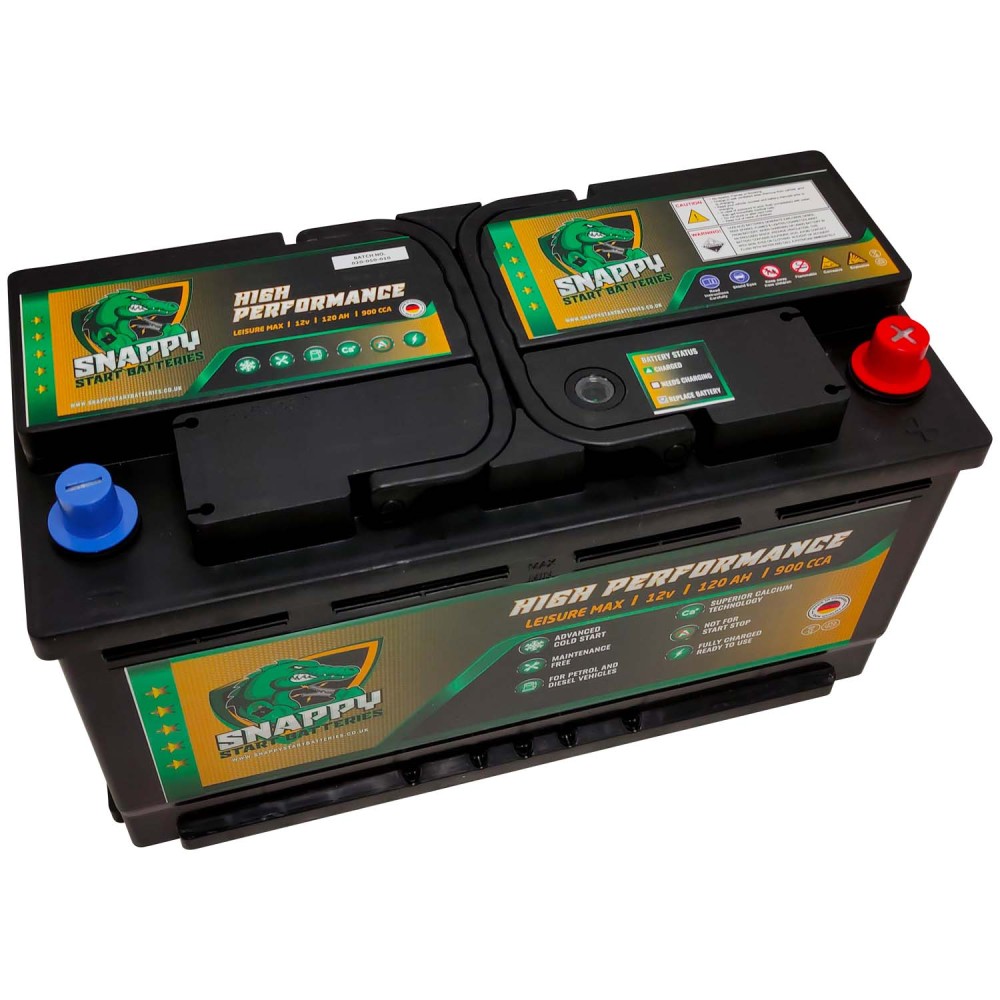
If you browse catalogues, you’ll see flooded, AGM, gel, and lithium choices. It helps to view premium leisure battery options side by side and read the small print on charging profiles and dimensions. Flooded lead-acid is cost-effective but needs ventilation and doesn’t love vibration. AGM is sealed, more tolerant of movement, and can accept charge faster—popular in campervans and towables. Gel handles deep cycling well but wants the right charger settings. Lithium costs more up front, yet it’s lighter, delivers steadier voltage under load, and recharges quickly, which matters if you rely on solar or short drives between stops.
Sizing your system for real-world loads
You don’t need an engineer’s spreadsheet, but you do need honesty about your daily habits. The simplest approach is to estimate energy in watt-hours: watts × hours. A 40W compressor fridge running 12 hours is roughly 480Wh; add laptop charging, lighting, water pump, and an occasional inverter load and the numbers climb quickly. Then translate back into battery capacity: at 12V, 1Ah is about 12Wh (roughly). Remember to factor in usable capacity, not the headline rating.
A quick planning checklist helps:
- List every device you’ll run and its wattage (or amps at 12V).
- Estimate hours per day, then add a 20% buffer for real life.
- Decide how many days you want between charges; that’s your autonomy.
- Match charging sources to that plan so you can actually refill what you use.
This small exercise often changes buying decisions. Many people oversize the inverter and undersize the battery, then wonder why voltage sags. Others ignore peak currents: a diesel heater or espresso maker can pull hard for short bursts. Choosing cable thickness, fusing, and a battery with suitable discharge capability protects both performance and safety.
Charging strategies: alternator, solar, and shore power
How you recharge matters as much as what you buy. In older vehicles, a simple split-charge relay could top up a leisure battery from the alternator. Newer vans increasingly use “smart” alternators that reduce output to save fuel, which can leave a battery chronically undercharged. A DC‑DC charger solves that by creating a stable charging profile and, in many cases, protecting lithium batteries from overheating or overcurrent. If you tow a caravan, a dedicated charger on hook-up can do the heavy lifting, while the tow vehicle maintains modest charge on travel days.
Solar for longer stops
Solar has shifted from “nice extra” to primary energy for many setups, especially with efficient fridges and LED lighting. The key is matching panel output to season and latitude: 200W on a sunny July day is not the same as 200W in a grey November layby. Use an MPPT controller for better harvest, and place panels so you can avoid partial shade—one roof bar shadow can cut output dramatically. The payoff is quiet, automatic charging that keeps batteries healthier by reducing time spent at low state of charge.
Mains power and good habits
On campsites, a quality multi-stage charger is your friend. Bulk, absorption, and float stages aren’t marketing terms; they’re what prevents sulphation in lead-acid batteries and avoids over-voltage in lithium systems. It’s worth adding a simple battery monitor, too. Voltage alone is a blunt instrument, especially under load, while a shunt-based monitor can tell you what you actually used overnight. When storing a vehicle for winter, charge fully, disconnect loads, and check state of charge periodically—batteries fail more often from neglect than from hard use.
Safety, longevity, and peace of mind
Install the battery as part of a system: secure mounting, correct cable gauge, and a fuse close to the positive terminal. Give lead-acid ventilation and keep lithium within its temperature limits. Most importantly, design for your routine—how you travel, park, and recharge. Do that, and a leisure battery stops being a component and becomes dependable freedom for years, not weekends.