
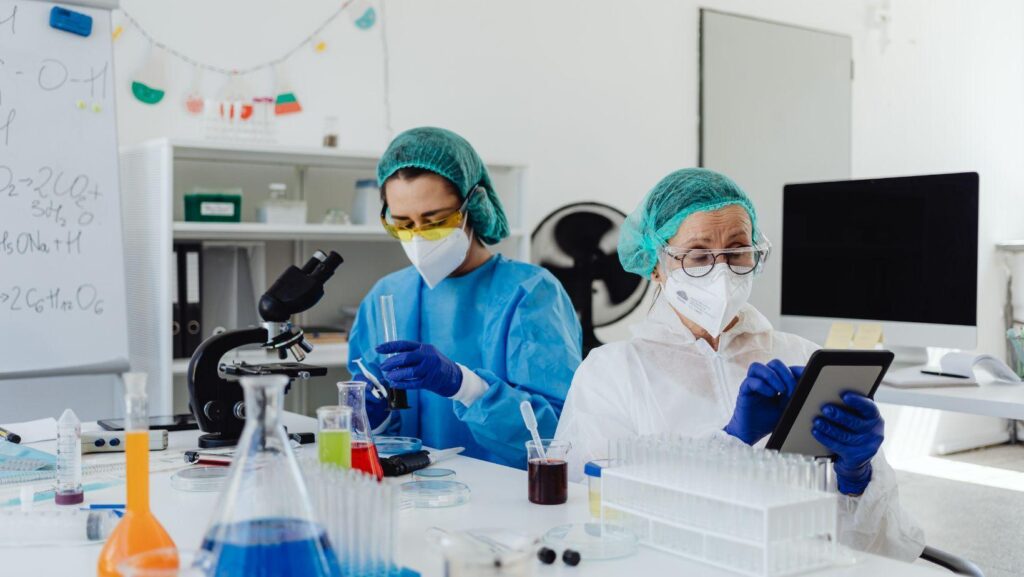
Most laboratory information systems were never built for pathology. They were built for high-volume routine testing like chemistry panels, hematology, and microbiology, then stretched to cover pathology as an afterthought. Pathology labs know the result: workarounds, disconnected systems, and software that fights the way diagnostic work actually flows. NovoPath took a different approach from day one, building a platform specifically around how pathology labs operate rather than forcing pathology into a generic mold.
Here is a closer look at what that approach actually delivers.
Built Specifically for Pathology, Not Adapted to It
NovoPath is a cloud-based laboratory information system designed from the ground up for anatomic, molecular, veterinary, and reference pathology labs. That specialization runs through every part of the platform, from specimen accessioning to final sign-out, and it shows up in details that generic systems tend to miss.
Anatomic pathology labs get workflow tools built around histology, cytology, and dermatopathology, with support for CAP guidelines, multi-tier QA sign-out, and automated reflex testing rules. Molecular labs get bi-directional interfacing with PCR, next-generation sequencing, and toxicology instruments, along with the ability to consolidate genetic, biopsy, and molecular results into a single patient report instead of juggling fragmented data across systems. Veterinary pathology labs get workflow management built around the realities of animal diagnostics rather than a human-focused system stretched to fit. Hematopathology gets the same specialty-level attention, integrating blood smear, bone marrow biopsy, flow cytometry, and molecular testing data into one coherent record.
That kind of depth is only possible because NovoPath was built around pathology from the start, drawing on more than 30 years of experience with the exact workflows pathology labs run every day.
One Platform, From Accession to Sign-Out
A defining feature of NovoPath is continuity. Rather than stitching together separate tools for specimen tracking, case distribution, discrepancy management, and reporting, everything lives inside one platform. Pathologists can review specimen data, order recuts, collaborate on complex cases, and release final reports without leaving the system or waiting on data to sync between disconnected tools.
That single-platform approach pays off in fewer clicks per case and faster case turnaround, without adding staff to handle the load. Labs using NovoPath have handled 30 percent or more volume growth across specialties while keeping headcount flat, simply because the system removes the manual coordination that used to eat up staff time.
Interoperability That Actually Works
A pathology lab does not operate in isolation, and NovoPath’s interoperability reflects that reality. The platform interfaces with more than 150 electronic medical record systems and a wide range of laboratory instruments, so labs are not forced to abandon existing infrastructure to adopt a better LIS. A dedicated interoperability platform extends that reach further, connecting NovoPath to third-party applications and billing systems so revenue cycle management runs on the same accurate case data pathologists are already working from.
For labs juggling multiple referring physicians, reference labs, and instrument vendors, this level of interoperability turns what used to be a tangle of manual data entry and reconciliation into a system that simply talks to itself.
Ready for Digital Pathology, Not Just Prepared For It Someday
Digital pathology is no longer an emerging trend. It is where the field is headed, and NovoPath’s infrastructure was built to support that shift rather than bolt it on later. The platform connects to leading whole slide imaging viewers, including PathAI, Paige.ai, Hamamatsu, Leica Aperio, Motic, and Philips, giving labs the flexibility to work with whichever scanner and viewer setup fits their operation.
That connectivity unlocks real telepathology, letting pathologists read cases from home, across sites, or across time zones without the logistics that used to make remote sign-out impractical. Long-term whole slide image storage stays HIPAA-compliant and instantly retrievable, indexed by case so nothing gets lost or mislabeled between scan and sign-out. Just as importantly, when a lab is ready to bring AI-driven image analysis into its workflow, the integrations and case data structure are already in place. Labs do not need to rebuild their systems to adopt the next generation of diagnostic tools. They just turn it on.
Real-Time Visibility Into Lab Operations
Running a pathology lab well requires more than accurate diagnoses. It requires knowing where cases are getting stuck, which team members are overloaded, and where turnaround times are slipping before those problems show up in a client complaint. NovoPath’s built-in operational analytics give lab directors a 360-degree view of every case at every stage, tracking turnaround times, workloads, and errors in real time.
That visibility turns lab management from a reactive exercise into a proactive one. Bottlenecks get identified and addressed before they become a pattern, and workload gets balanced across staff based on actual data rather than guesswork.
Compliance Built Into the System, Not Managed in Spreadsheets
Regulatory compliance is a constant pressure in pathology, and NovoPath treats it as a core system feature rather than a separate manual process. The platform is HIPAA compliant, and compliance documentation lives directly inside the system alongside case data, rather than in a patchwork of spreadsheets and paper trails that are difficult to audit. Built-in CAP guideline support for routine testing and automatic QA flagging based on lab-specific procedures further reduce the administrative burden that used to fall on lab directors and pathologists.
Proven Results Across Specialties
The impact shows up consistently across NovoPath’s client base. Labs report consolidating disconnected systems into one platform, cutting the cost and complexity of managing multiple tools separately. Automated routing and batch verification replace manual coordination, cutting turnaround times without sacrificing accuracy. Pathologists get administrative work removed from their case workflow, giving them more time for the diagnostic work that actually requires their expertise.
One dermatopathology practice’s experience captures the pattern well. Before adopting NovoPath, the lab struggled with fragmented workflows, slower processing times, and limited scalability. After implementation, the practice saw meaningfully faster turnaround times and a more efficient day-to-day operation, all without the growing pains that typically come with scaling a lab’s case volume.
Implementation That Fits Your Timeline
Switching laboratory information systems is a significant undertaking, and NovoPath’s implementation process is built to minimize disruption. The shortest implementation on record took just 30 days, though most labs complete the transition in three to four months depending on the complexity of their operation and specific workflow needs. Throughout implementation and beyond, NovoPath backs its clients with 24/7 phone and email support, so labs are never left waiting on a critical issue.
The Bottom Line
Pathology labs deserve software built around how their work actually happens, not a generic system with pathology features bolted on as an afterthought. NovoPath delivers exactly that: a single platform spanning anatomic, molecular, veterinary, and reference pathology, built for interoperability, ready for digital pathology, and backed by three decades of specialty-specific expertise. For labs looking to scale case volume, cut turnaround times, and give pathologists back the time to focus on diagnoses, NovoPath is the operational foundation modern pathology labs are choosing to run on.
Learn more by visiting novopath.com.